ข่าว
ผลิตภัณฑ์ที่ยอดเยี่ยมด้วยฝีมือประณีต

 sales@wxdoka.com
 +86-13861753508
 No.18 Xiangge Road, Hudai Town, Binhu District, อู๋ซี, จีน


ที่ Caterpillar HEUI —ระบบหัวฉีดหน่วยควบคุมด้วยอิเล็กทรอนิกส์ที่ทำงานด้วยไฮดรอลิก แสดงถึงการพัฒนาที่สำคัญที่สุดประการหนึ่งในเทคโนโลยีการฉีดเชื้อเพลิงดีเซลสำหรับงานหนักในช่วงปี 1990 และ 2000 แตกต่างจากระบบหัวฉีดเชิงกลทั่วไปที่ต้องอาศัยปั๊มเชื้อเพลิงแรงดันสูงเพื่อสร้างแรงดันในการฉีด ระบบ HEUI ใช้น้ำมันเครื่องแรงดันสูงเป็นตัวกลางไฮดรอลิกในการสั่งงานหัวฉีด โดยมีการควบคุมแบบอิเล็กทรอนิกส์ที่ควบคุมจังหวะเวลา ระยะเวลา และแรงดันในการฉีดแบบทีละกระบอกสูบ สถาปัตยกรรมนี้ช่วยให้วิศวกรของ Caterpillar บรรลุแรงดันการฉีดที่เกิน 28,000 psi ซึ่งเกินกว่าที่ระบบปั๊มขับเคลื่อนด้วยลูกเบี้ยวแบบทั่วไปในยุคนั้นจะผลิตได้ ช่วยให้การแยกอะตอมของเชื้อเพลิงละเอียดขึ้น การเผาไหม้ที่สมบูรณ์ยิ่งขึ้น ลดการปล่อยอนุภาค และปรับปรุงการประหยัดเชื้อเพลิงในสภาพการทำงานที่หลากหลาย
ที่ HEUI concept was co-developed by Caterpillar and Navistar International, with both companies independently applying the technology to their own engine families during the 1990s. Caterpillar's implementation became the foundation of their highly regarded 3126, C7, and C9 engine series, as well as selected versions of the 3406E and C-10 and C-12 platforms. These engines powered an enormous range of applications including on-highway trucks, school and transit buses, construction equipment, marine propulsion systems, and stationary power generation units, making the HEUI system one of the most widely deployed advanced injection technologies in the commercial diesel market.
การทำความเข้าใจหลักการทำงานของระบบ HEUI ถือเป็นสิ่งสำคัญสำหรับทุกคนที่บำรุงรักษา วินิจฉัย หรือสร้างเครื่องยนต์เหล่านี้ใหม่ โดยพื้นฐานแล้วระบบจะแยกจากทั้งระบบการฉีดที่ควบคุมด้วยกลไกแบบดั้งเดิมและการออกแบบคอมมอนเรลในเรื่องของการสร้างแรงดันที่จำเป็นในการบังคับเชื้อเพลิงเข้าสู่ห้องเผาไหม้
ที่ HEUI system uses a dedicated high-pressure oil pump—driven directly off the engine—to pressurise engine lubricating oil to between 500 and 3,000 psi within a high-pressure oil manifold, often referred to as the "rail" even though it carries oil rather than fuel. This pressurised oil is routed to each unit injector through dedicated oil passages in the cylinder head. Inside each injector, the high-pressure oil acts on a hydraulic amplifier piston that multiplies the oil pressure by a ratio of approximately 7:1 to generate the actual fuel injection pressure at the injector tip—which can reach 23,000 to 28,000 psi in operational conditions. The oil actuation pressure is continuously variable and is controlled by the engine ECM through an Injection Actuation Pressure Control Valve (IAPCV), allowing the system to modulate injection pressure dynamically in response to load, speed, and emissions requirements.
หัวฉีด HEUI แต่ละตัวมีวาล์วควบคุมที่ทำงานด้วยโซลินอยด์ซึ่งเครื่องยนต์ ECM จ่ายพลังงานเพื่อเริ่มต้นและยุติเหตุการณ์การฉีด เมื่อ ECM ส่งพัลส์ปัจจุบันไปยังโซลินอยด์ของหัวฉีด วาล์วควบคุมจะเปิดขึ้น เพื่อให้น้ำมันแรงดันสูงเข้าสู่ห้องเครื่องขยายเสียงไฮดรอลิก ลูกสูบของแอมพลิฟายเออร์จะเคลื่อนตัวลงมา อัดแรงดันน้ำมันเชื้อเพลิงในกระบอกหัวฉีดให้เท่ากับแรงดันการฉีด ซึ่งบังคับวาล์วเข็มออกจากที่นั่ง และจ่ายเชื้อเพลิงที่วัดได้อย่างแม่นยำไปยังห้องเผาไหม้ เมื่อ ECM หยุดกระแสไฟฟ้าของโซลินอยด์ วาล์วควบคุมจะปิด แรงดันน้ำมันจะลดลง เข็มจะกลับไปที่ที่นั่ง และสิ้นสุดการฉีดยา ระยะเวลาของพัลส์ปัจจุบันจะควบคุมปริมาณของเชื้อเพลิงที่ฉีดโดยตรง ในขณะที่จังหวะของพัลส์ภายในรอบเครื่องยนต์จะควบคุมจังหวะการฉีด การควบคุมแบบอิเล็กทรอนิกส์เต็มรูปแบบนี้ช่วยให้สามารถฉีดไพลอต การฉีดแยก และกลยุทธ์การฉีดขั้นสูงอื่นๆ ที่มีความสำคัญอย่างยิ่งต่อการปฏิบัติตามมาตรฐานการปล่อยมลพิษและการปรับคุณภาพการเผาไหม้ให้เหมาะสม
ที่ HEUI injection system was deployed across a substantial range of Caterpillar engine families spanning nearly two decades of production. Technicians and fleet operators working with these engines should be familiar with which specific configurations use HEUI injection, as diagnosis and repair procedures differ significantly from common-rail and mechanical injection engines.
| รุ่นเครื่องยนต์ | การกระจัด | การใช้งานหลัก | ปีที่ผลิต |
| หนอนผีเสื้อ 3126 | 7.2L อินไลน์-6 | รถบรรทุกขนาดกลาง รถโดยสาร รถบ้าน | พ.ศ. 2540–2546 |
| หนอนผีเสื้อ C7 | 7.2L อินไลน์-6 | รถบรรทุกขนาดกลาง รถโรงเรียน การก่อสร้าง | พ.ศ. 2546–2552 |
| หนอนผีเสื้อ C9 | 8.8L อินไลน์-6 | รถบรรทุกหนัก รถโดยสารประจำทาง เรือเดินทะเล | พ.ศ. 2547–2553 |
| หนอนผีเสื้อ 3406E | 14.6 ลิตร อินไลน์-6 | รถบรรทุกประเภท 8 อุตสาหกรรม | พ.ศ. 2536–2542 |
| หนอนผีเสื้อ C-10 / C-12 | 10.3L / 11.9L อินไลน์-6 | รถบรรทุกบนทางหลวงประเภท 8 | พ.ศ. 2539–2547 |
ที่ 3126 and its successor, the C7, are the most numerically common HEUI-equipped engines encountered in service, particularly in school bus, transit bus, and medium-duty truck fleets. The C9 represents a heavier-duty application of the same core technology, while the larger 3406E, C-10, and C-12 engines applied HEUI principles to Class 8 on-highway applications where high injection pressure was essential for meeting the progressively tightening emissions standards of the late 1990s and early 2000s.
ที่ HEUI system's dependence on engine oil condition and pressure introduces failure modes that are not present in fuel-pressure-only injection systems. Many of the most common and costly HEUI failures are directly traceable to oil maintenance practices and the condition of the high-pressure oil circuit components. Understanding these failure patterns allows technicians to diagnose problems more efficiently and helps fleet operators implement preventive maintenance practices that extend system service life.
ที่ high-pressure oil pump is the most mechanically stressed component in the HEUI system and is a common failure point, particularly on high-mileage engines or those that have experienced oil degradation or neglected oil change intervals. The pump uses a series of precision-machined pistons and valves to generate the high oil pressures required for injector actuation, and these components are extremely sensitive to oil contamination, viscosity breakdown, and extended drain intervals. A worn or failing high-pressure oil pump manifests as low actuation pressure, which the ECM attempts to compensate for by demanding higher IAPCV duty cycles—a condition visible through diagnostic software such as Caterpillar ET (Electronic Technician). Symptoms include hard starting, especially when cold, rough running, misfires under load, and in severe cases complete engine shutdown as actuation pressure falls below the minimum threshold required to open the injector control valves.
ความล้มเหลวของหัวฉีด HEUI ส่วนบุคคลเป็นเรื่องปกติในเครื่องยนต์ที่มีระยะทางสูง และโดยทั่วไปจะแสดงเป็นความผิดพลาดเฉพาะกระบอกสูบ รอบเดินเบาที่หยาบ หรือมีควันมากเกินไปจากกระบอกสูบตั้งแต่หนึ่งกระบอกสูบขึ้นไป ขดลวดโซลินอยด์ของหัวฉีดอาจทำให้เกิดความล้มเหลวของวงจรเปิดหรือไฟฟ้าลัดวงจร ซึ่งทำให้หัวฉีดทำงานไม่ถูกต้อง โอริงภายในและซีลภายในตัวหัวฉีด—ซึ่งจะต้องทนต่อรอบแรงดันซ้ำ ๆ ระหว่างใกล้ศูนย์ถึง 28,000 psi—ในที่สุดก็เกิดความล้าและการรั่วไหล ทำให้เกิดการปนเปื้อนข้ามภายในระหว่างวงจรกระตุ้นน้ำมันและวงจรเชื้อเพลิง การปนเปื้อนน้ำมันของระบบเชื้อเพลิงจากความล้มเหลวของซีลหัวฉีดส่งผลร้ายแรงอย่างยิ่ง เนื่องจากอาจทำให้ปั๊มถ่ายน้ำมันเชื้อเพลิงเสียหายและนำน้ำมันเข้าไปในห้องเผาไหม้ในปริมาณที่ทำให้เกิดควันสีน้ำเงินที่มองเห็นได้และเครื่องฟอกไอเสียเชิงเร่งปฏิกิริยาหรือตัวกรองอนุภาคดีเซลเสียหายในเครื่องยนต์ที่มีข้อกำหนดทางเทคนิคในภายหลัง
ที่ IAPCV is an electrically controlled pressure-regulating valve that modulates the oil pressure supplied to the injectors in response to ECM commands. Contamination of the valve seat or spool by oil degradation products, metal particles from a worn pump, or sludge from infrequent oil changes can cause the valve to stick, leak internally, or respond sluggishly to ECM commands. A faulty IAPCV typically produces erratic actuation pressure readings, hunting or surging at idle, and inconsistent power delivery under varying load conditions. Because the IAPCV is a relatively affordable component compared to the injectors or the high-pressure oil pump, it is often the first replacement part specified during HEUI system diagnosis when actuation pressure anomalies are detected.
การกักเก็บอากาศในวงจรน้ำมันแรงดันสูง ซึ่งเกิดจากระดับน้ำมันต่ำ หน้าจอทางเข้าของปั๊มน้ำมันรั่ว ท่อร่วมน้ำมันแรงดันสูงแตกร้าว หรือการรั่วของตัวทำความเย็นน้ำมันภายนอก เป็นปัญหาปัญหาหนึ่งของ HEUI ที่ยากต่อการวินิจฉัย เนื่องจากน้ำมันเติมอากาศไม่สามารถส่งแรงดันไฮดรอลิกได้อย่างสม่ำเสมอ ผลลัพธ์ที่ได้คือพฤติกรรมการฉีดที่ไม่อาจคาดเดาได้ การพุ่งผิดที่ชัดเจนซึ่งเคลื่อนที่ระหว่างกระบอกสูบ และการอ่านค่าแรงดันในการสั่งงานซึ่งผันผวนอย่างไม่แน่นอนแทนที่จะคงค่าคงที่ การวินิจฉัยการเติมอากาศน้ำมันจำเป็นต้องมีการตรวจสอบวงจรน้ำมันแรงดันสูงสำหรับจุดที่อากาศเข้าอย่างระมัดระวัง และควรรวมการตรวจสอบระดับและสภาพน้ำมันเครื่องด้วยเสมอ เนื่องจากสภาวะการเติมน้ำมันเกินและเติมน้อยเกินไปสามารถส่งเสริมการเติมอากาศในวงจรน้ำมัน HEUI
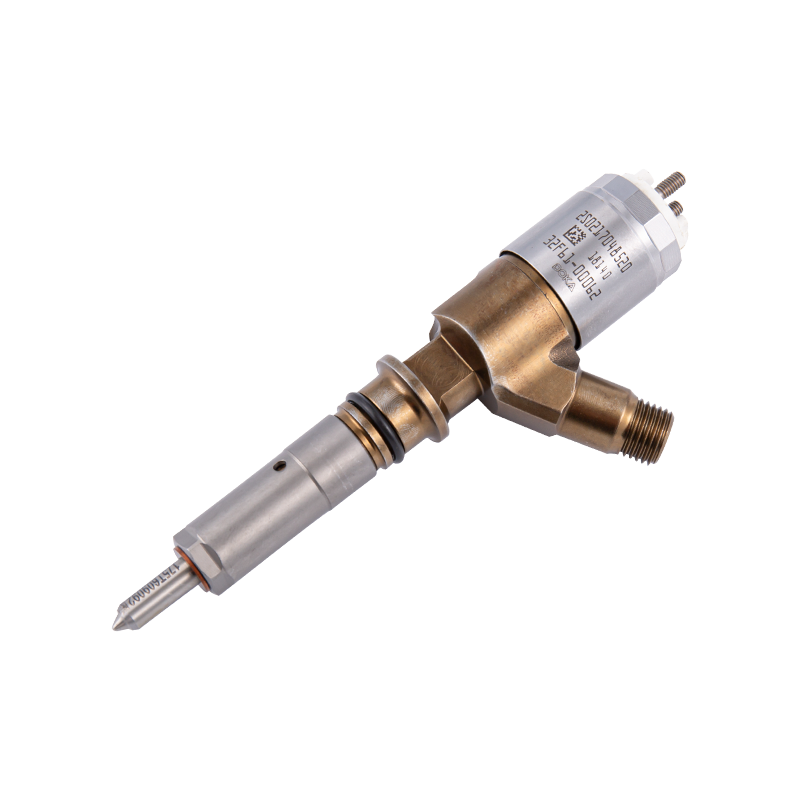
การวินิจฉัยระบบ HEUI ที่มีประสิทธิภาพต้องใช้ทั้งเครื่องมือวินิจฉัยที่ถูกต้องและแนวทางที่เป็นระบบซึ่งแยกปัญหาวงจรน้ำมันออกจากปัญหาวงจรเชื้อเพลิงและปัญหาการควบคุมอิเล็กทรอนิกส์ก่อนที่จะเปลี่ยนส่วนประกอบใดๆ ลำดับการวินิจฉัยต่อไปนี้สะท้อนถึงแนวปฏิบัติที่ดีที่สุดสำหรับเครื่องยนต์ Caterpillar ที่ติดตั้ง HEUI:
ที่ HEUI system's sensitivity to oil condition makes engine oil maintenance the single most impactful preventive measure available to operators of HEUI-equipped Caterpillar engines. Many of the most costly HEUI failures encountered in the field—worn high-pressure oil pumps, stuck IAPCVs, and internally contaminated injectors—can be directly attributed to extended oil change intervals, use of incorrect oil specifications, or failure to address oil leaks and consumption promptly.
คำแนะนำการบำรุงรักษาเชิงป้องกันที่สำคัญสำหรับเครื่องยนต์ที่ติดตั้ง HEUI ได้แก่:
ที่ Caterpillar HEUI system occupies a significant position in the history of diesel engine development as a transitional technology that bridged the gap between mechanically governed injection and the fully hydraulic common-rail systems that dominate modern heavy-duty diesel engines. By demonstrating that electronically controlled variable-pressure injection was achievable and commercially viable in production engines, the HEUI platform helped establish the performance and emissions standards that common-rail injection systems subsequently built upon and exceeded.
แม้ว่า Caterpillar จะถอนตัวออกจากตลาดเครื่องยนต์รถบรรทุกบนทางหลวงในอเมริกาเหนือในปี 2010 ส่วนหนึ่งได้รับแรงหนุนจากต้นทุนที่เพิ่มขึ้นเพื่อให้เป็นไปตามมาตรฐานการปล่อยมลพิษของ US EPA 2010 ด้วยระบบบำบัดหลังการรักษา แต่เครื่องยนต์ 3126, C7, C9 และกระบอกสูบขนาดใหญ่ที่ติดตั้ง HEUI หลายล้านเครื่องยังคงใช้งานอยู่ในรถบรรทุก รถบัส อุปกรณ์ก่อสร้าง และการใช้งานทางทะเลทั่วโลก สำหรับช่างเทคนิค ผู้จัดการกลุ่มยานพาหนะ และผู้ปฏิบัติงานเจ้าของที่บำรุงรักษาเครื่องยนต์เหล่านี้ ความเข้าใจอย่างถ่องแท้เกี่ยวกับหลักการทำงานของระบบ HEUI โหมดความล้มเหลวทั่วไป และแนวทางปฏิบัติในการวินิจฉัยและการบำรุงรักษาที่ถูกต้องเป็นความรู้ที่จำเป็นซึ่งส่งผลโดยตรงต่อความน่าเชื่อถือของอุปกรณ์ ต้นทุนการดำเนินงาน และการขยายอายุการใช้งาน
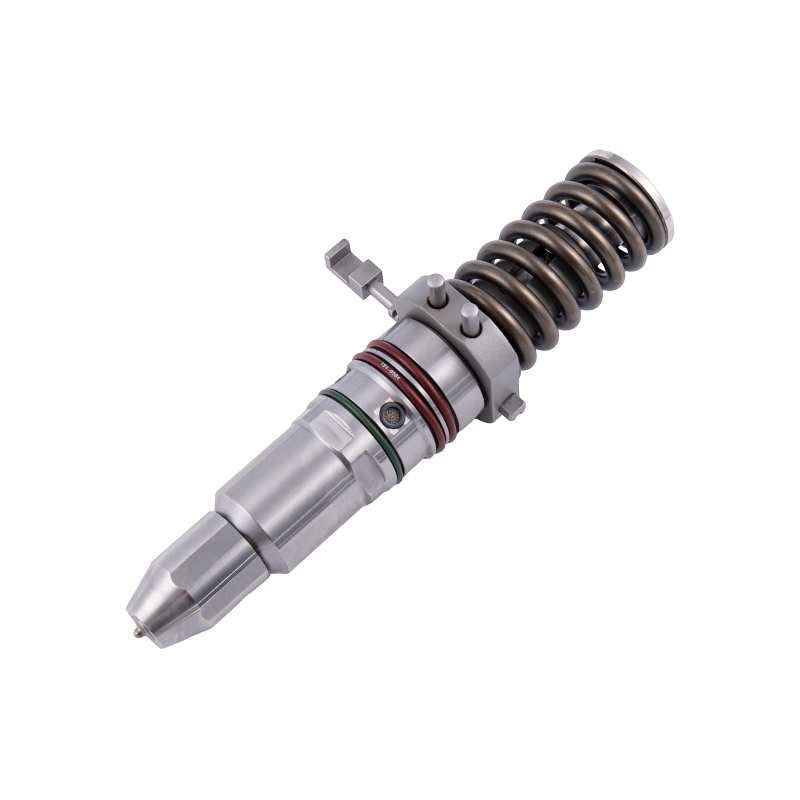
หัวฉีดน้ำมันเชื้อเพลิงที่เข้ากันได้กับ Caterpillar CRI/CRS ซีรีส์ 3500A-111-3...
See Details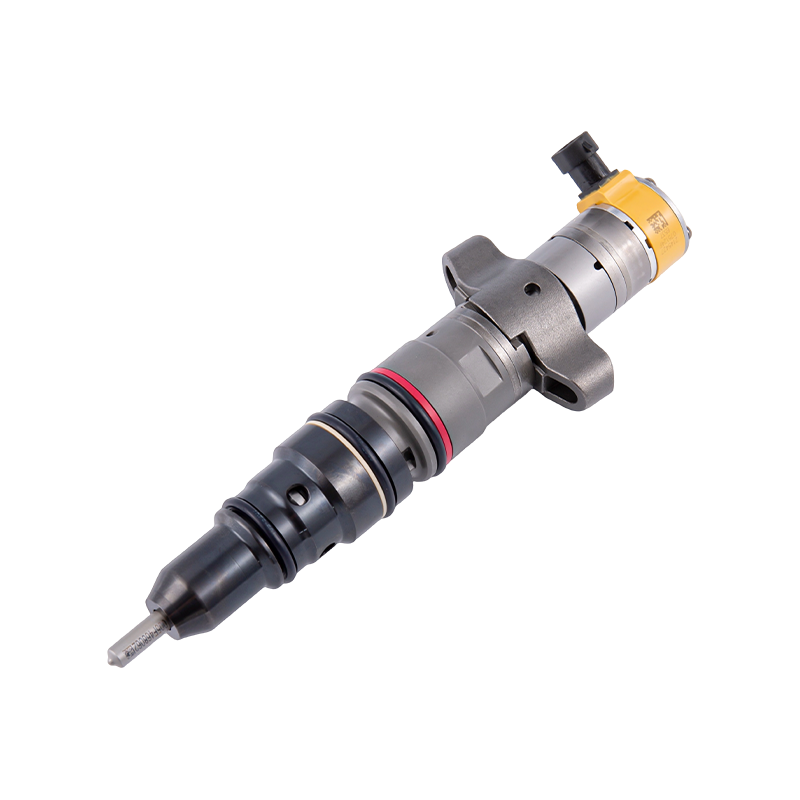
หัวฉีดนี้เข้ากันได้กับหัวฉีดซีรีส์ Caterpillar HEUI CAT C9-387-9433 และเหมาะส...
See Details
ใช้งานได้กับหัวฉีดน้ำมันเชื้อเพลิงซีรีส์ Caterpillar HEUI CAT C6-212-3460 เหม...
See Details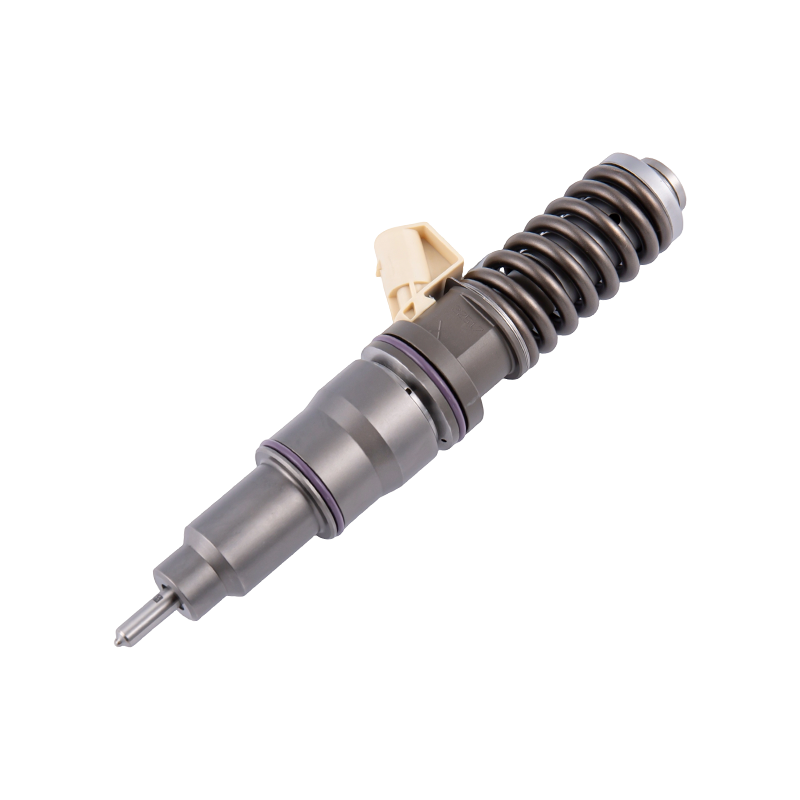
ผลิตภัณฑ์ที่เข้ากันได้กับหัวฉีดน้ำมันเชื้อเพลิง Delphi 20440388 จากซีรีส์ HDU...
See Details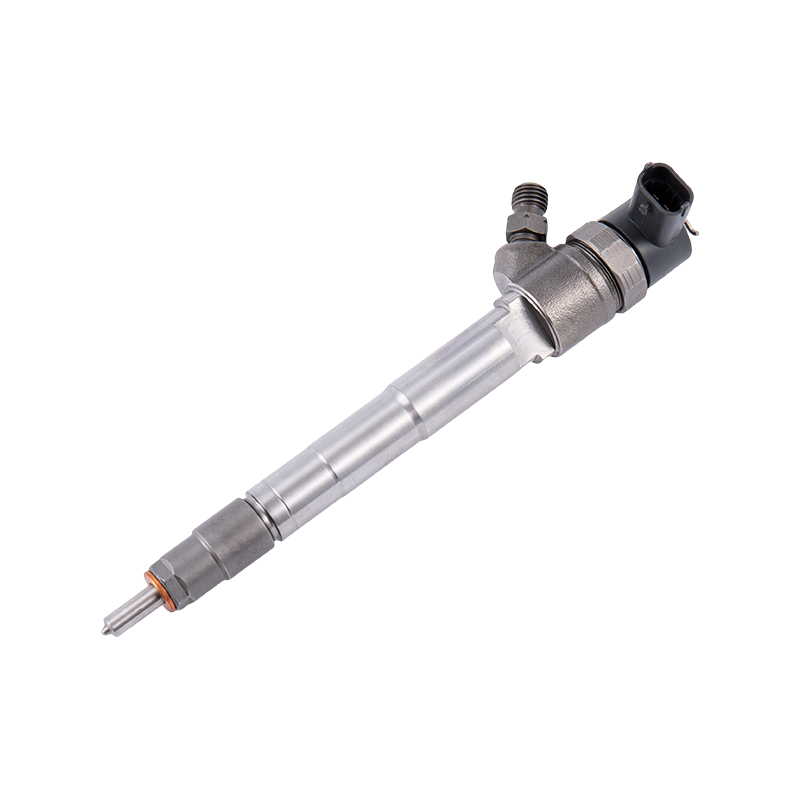
หัวฉีดดีเซลคอมมอนเรล 0445110376 เข้ากันได้กับ Bosch CRI 110 series และได้รับก...
See Details
หัวฉีดน้ำมันเชื้อเพลิง 178F ได้รับการออกแบบมาสำหรับระบบหัวฉีดโดยตรงของเครื่อง...
See Details